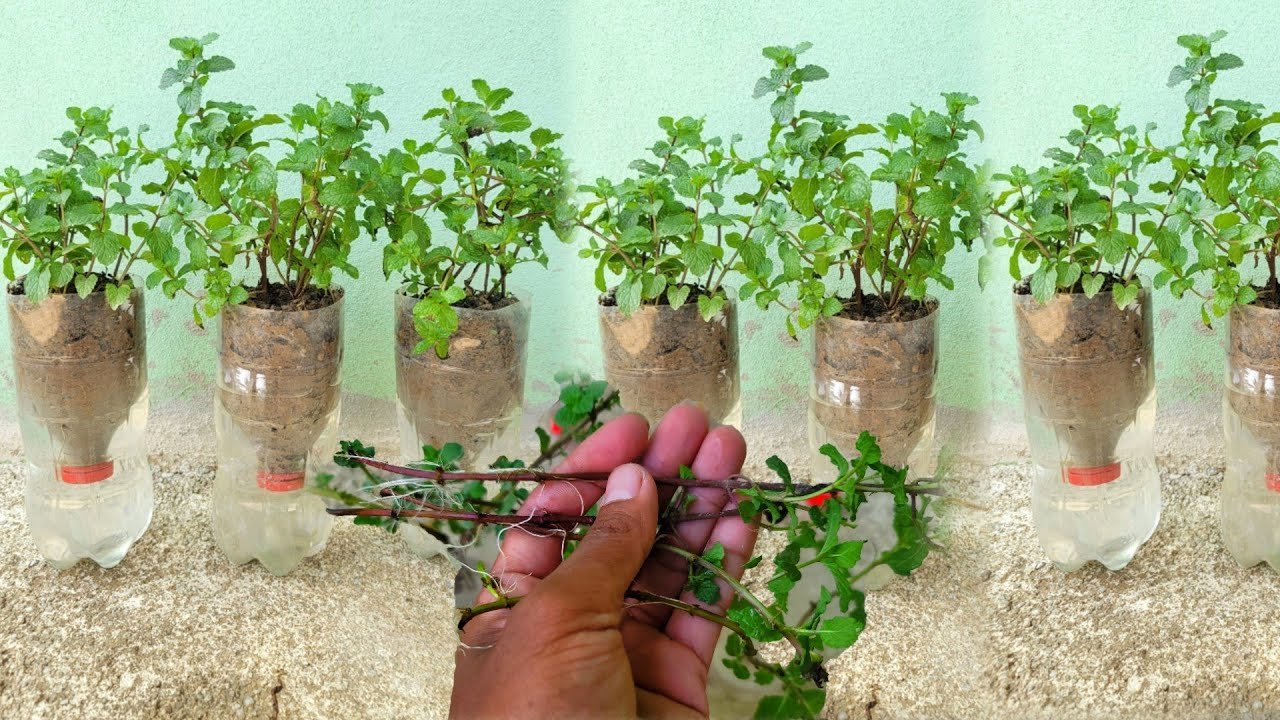
In this comprehensive guide, I will delve into the delightful world of growing mint at home in containers. Mint, with its refreshing aroma and versatile uses, is a fantastic addition to any garden or indoor space. Whether you’re a seasoned gardener or just starting out, cultivating mint in containers is a rewarding experience that yields abundant benefits. Join me as I explore the nuances of growing, caring for, and utilizing this aromatic herb.
Why Grow Mint in Containers?
Convenience and Accessibility
Growing mint in containers offers unparalleled convenience and accessibility. Containers allow you to cultivate mint in various settings, whether you have a spacious garden, a cozy balcony, or even limited indoor space. By planting mint in containers, you have greater control over its growth environment, making it easier to maintain and harvest.
Versatility
Containers provide the flexibility to position your mint plants strategically, ensuring optimal sunlight exposure and moisture levels. Whether you prefer to place them on a sunny windowsill, a shaded patio, or a kitchen countertop, containers allow you to tailor the growing conditions to suit the specific needs of your mint plants.
Containment
Mint has a vigorous growth habit and tends to spread rapidly when planted directly in the ground. By confining mint to containers, you can prevent it from overtaking your garden or competing with other plants. This containment also simplifies maintenance tasks, such as pruning and harvesting, ensuring that your mint remains manageable and well-behaved.
Choosing the Right Container
Selecting the appropriate container is crucial for successful mint cultivation. Here are some factors to consider when choosing containers for your mint plants:
Size
Opt for containers that provide ample room for the roots to spread and grow. A depth of at least 12 inches (30 cm) is ideal for accommodating mint’s extensive root system. Additionally, choose containers with a diameter of 12 to 18 inches (30 to 45 cm) to allow sufficient space for multiple mint plants if desired.
Drainage
Ensure that the containers have adequate drainage holes to prevent waterlogging, which can lead to root rot and other moisture-related issues. Elevating the containers slightly by placing them on pot feet or bricks can further improve drainage and airflow.
Material
Containers are available in various materials, including plastic, terracotta, ceramic, and fabric. Each material has its advantages and considerations:
- Plastic containers are lightweight, affordable, and retain moisture well.
- Terracotta and ceramic containers provide excellent drainage and temperature regulation but may require more frequent watering.
- Fabric containers promote air pruning and root health but may deteriorate over time.
Choose a container material that suits your aesthetic preferences, budget, and gardening requirements.
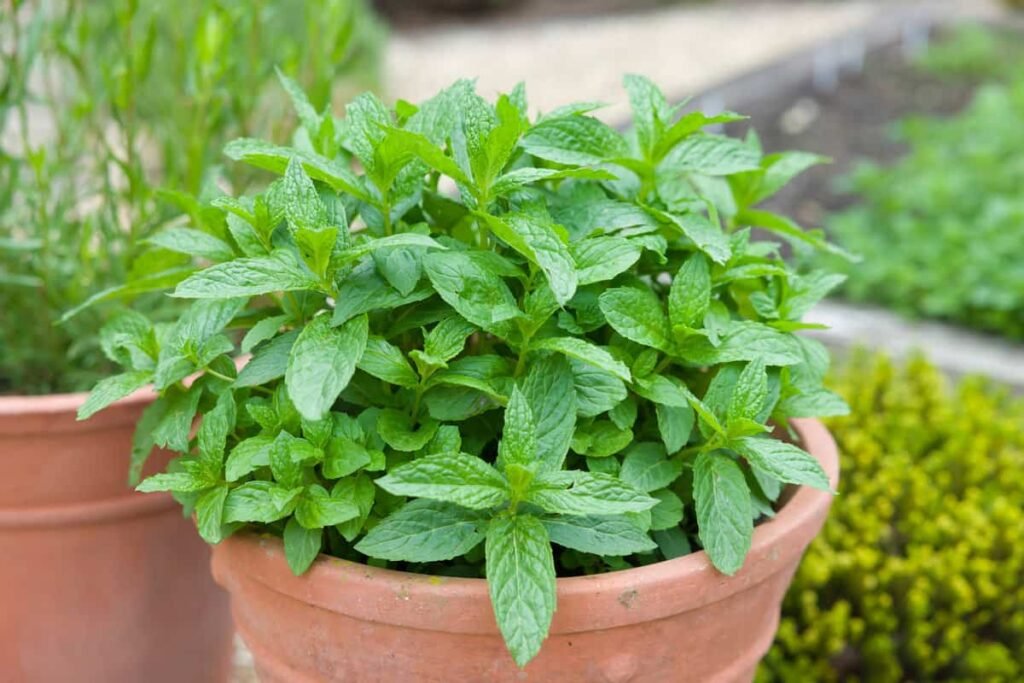
Selecting Mint Varieties
Mint encompasses a diverse array of cultivars, each offering unique flavors, aromas, and growth characteristics. When selecting mint varieties for container gardening, consider the following options:
Peppermint (Mentha × piperita)
Peppermint is renowned for its intense flavor and cooling menthol undertones. It thrives in containers and is well-suited for culinary uses, such as flavoring beverages, desserts, and savory dishes.
Spearmint (Mentha spicata)
Spearmint boasts a milder flavor compared to peppermint, with hints of sweetness and a refreshing aroma. It is a versatile herb that complements a wide range of culinary creations, including teas, salads, and cocktails.
Chocolate Mint (Mentha × piperita ‘Chocolate’)
Chocolate mint delights the senses with its distinctive chocolatey aroma and flavor. This unique variety adds a decadent twist to desserts, beverages, and confections, making it a favorite among culinary enthusiasts.
Lemon Mint (Mentha × piperita ‘Citrus’)
Lemon mint captivates with its citrusy scent and tangy flavor profile. It enhances beverages, salads, and marinades with a burst of refreshing zest, making it a delightful addition to any herb garden.
Varietal Considerations
When choosing mint varieties for container gardening, consider factors such as growth habit, flavor intensity, and space requirements. Some varieties, such as peppermint, exhibit vigorous spreading tendencies and may require regular pruning to prevent overcrowding.
Planting and Care Tips
Soil Preparation
Before planting mint in containers, prepare a well-draining potting mix rich in organic matter. Mix equal parts of high-quality potting soil, compost, and perlite or sand to ensure optimal soil structure and nutrient availability.
Planting Technique
When planting mint in containers, follow these steps for success:
- Fill the container with prepared potting mix, leaving a few inches of space below the rim.
- Gently remove the mint seedling or cutting from its nursery container, taking care not to disturb the roots.
- Place the mint plant in the center of the container and backfill with soil, ensuring that the crown is level with the soil surface.
- Water the newly planted mint thoroughly to settle the soil and hydrate the roots.
Sunlight and Watering
Mint thrives in partial to full sunlight, receiving at least 4 to 6 hours of direct sunlight per day. However, in hot climates, afternoon shade can help prevent leaf scorching and dehydration. Water mint consistently to keep the soil evenly moist, but avoid overwatering, as excessive moisture can lead to root rot.
Pruning and Maintenance
Regular pruning is essential for maintaining the health and vigor of mint plants. Remove any yellowing or damaged leaves, as well as any runners or invasive shoots that may emerge from the soil. Additionally, pinch back the growing tips periodically to encourage bushier growth and prevent legginess.
Fertilization
Mint is a relatively low-maintenance herb that typically does not require heavy fertilization. However, you can apply a balanced, water-soluble fertilizer diluted to half strength every 4 to 6 weeks during the growing season to promote robust growth and flavor development.
Harvesting and Utilization
Harvesting Technique
Harvest mint leaves regularly to encourage continuous growth and maintain plant vitality. Use sharp scissors or pruning shears to snip the leaves just above a set of healthy nodes, avoiding cutting into bare stems. Harvesting young, tender leaves in the morning when essential oils are most concentrated ensures optimal flavor and aroma.
Culinary Uses
Mint lends its distinctive flavor and fragrance to an array of culinary creations, including:
- Beverages: Add fresh mint leaves to teas, lemonades, cocktails, and infused water for a refreshing twist.
- Desserts: Incorporate chopped mint leaves into ice creams, sorbets, chocolates, and fruit salads for a burst of flavor and visual appeal.
- Savory Dishes: Use minced mint leaves to garnish salads, soups, stews, curries, and grilled meats, enhancing their taste and aroma.
Medicinal and Aromatic Uses
Beyond its culinary applications, mint possesses medicinal properties and aromatic qualities that offer various health and wellness benefits. Brew mint tea to alleviate digestive discomfort, soothe headaches, or relieve stress and anxiety. Additionally, diffuse mint essential oil or use it topically to promote respiratory health, improve mental clarity, and repel insects naturally.
Conclusion
In conclusione, coltivare menta in contenitori è un’esperienza gratificante che offre numerosi vantaggi. Con la giusta cura e attenzione, è possibile godere di una fornitura costante di foglie aromatiche per l’uso culinario, medicinale e aromatico. Spero che questa guida ti abbia ispirato a dare il via alla tua avventura con la coltivazione della menta in casa. Che tu sia un appassionato giardiniere o un principiante entusiasta, la menta è una pianta versatile e soddisfacente da coltivare, garantendo freschezza e vitalità alla tua casa e al tuo giardino. Buona coltivazione!