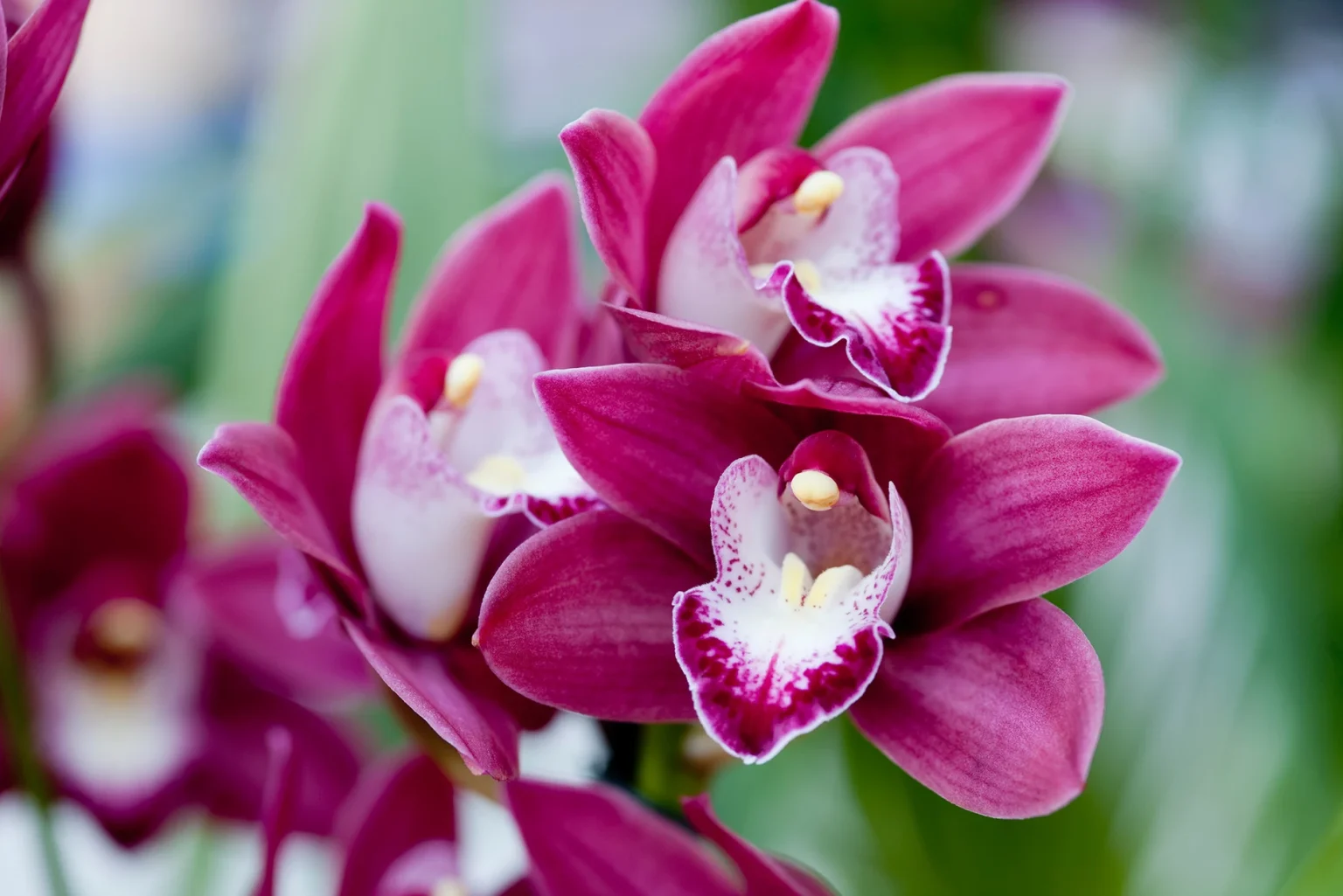
Cymbidium orchids, often simply referred to as “Cymbidiums,” add an extraordinary touch to any garden or indoor space. Renowned for their lush, sword-like foliage and spectacular bursts of flowers, these orchids are as rewarding as they are beautiful. In this article, we will provide a complete guide on planting, cultivating, and caring for Cymbidium orchids, ensuring that both novice and experienced gardeners can enjoy the allure of these stunning plants.
1. Choosing the Right Cymbidium: Cymbidium orchids come in various types, including miniatures and standard varieties. While standard types boast large blooms, miniature varieties produce more abundant flowers. Your choice depends on available space and aesthetic preferences.
2. Planting Medium: Cymbidiums thrive in well-draining soil that replicates their natural epiphytic growing habit. A mix of coarse bark, perlite, and sphagnum moss often proves effective. Ensuring the soil is not too tight around the roots prevents rotting.
3. Selecting the Container: The choice of a container is crucial. Terracotta pots are ideal, promoting good air circulation around the roots and providing stability to prevent tipping for heavier orchids.
4. Planting Procedure: To plant, position the orchid in the pot, ensuring the top of the root mass is approximately an inch below the rim. Fill the rest of the pot with the chosen planting medium, ensuring it surrounds the roots without being too tightly packed.
5. Growing Your Cymbidium Orchids:
- Light: Cymbidium orchids require bright but indirect light. An east or west-facing window is perfect for indoor plants. Yellowing leaves indicate excessive light, while dark green leaves suggest insufficient light.
- Temperature: These orchids prefer cooler temperatures. Daytime temperatures should range between 24-29°C (75-85°F), with nighttime temperatures dropping to 10-15°C (50-60°F). Lowering the temperature in autumn stimulates flowering.
- Watering and Feeding: Water thoroughly during the growing season (spring to early fall) once the top of the soil has dried. During the rest period (late fall to early spring), water sparingly. Regular feeding with high-nitrogen fertilizer during growth and high-potassium fertilizer in fall supports flowering.
6. Caring for Your Cymbidium Orchids:
- Repotting: Cymbidium orchids should be repotted every two or three years or when the soil begins to deteriorate. Choose a slightly larger pot than the previous one, as these orchids prefer snug roots.
- Pest and Disease Management: Regularly check for common orchid pests such as scale, mealybugs, and aphids. Use a mild insecticidal soap to address infestations. Monitor for signs of fungal or bacterial infections, applying appropriate treatments promptly.
7. Flowering Promotion: A unique aspect of Cymbidium care is the significant temperature difference needed between day and night during late summer and early fall. This temperature fluctuation, combined with reduced watering, encourages the plant to produce floral spikes.
Conclusion: While Cymbidium orchids may require a bit more attention than other houseplants, their magnificent blooms make the effort worthwhile. By following these guidelines on planting, cultivating, and caring for Cymbidium orchids, you’ll soon be rewarded with a spectacular floral display that brightens your space and uplifts your spirit. Happy gardening!